
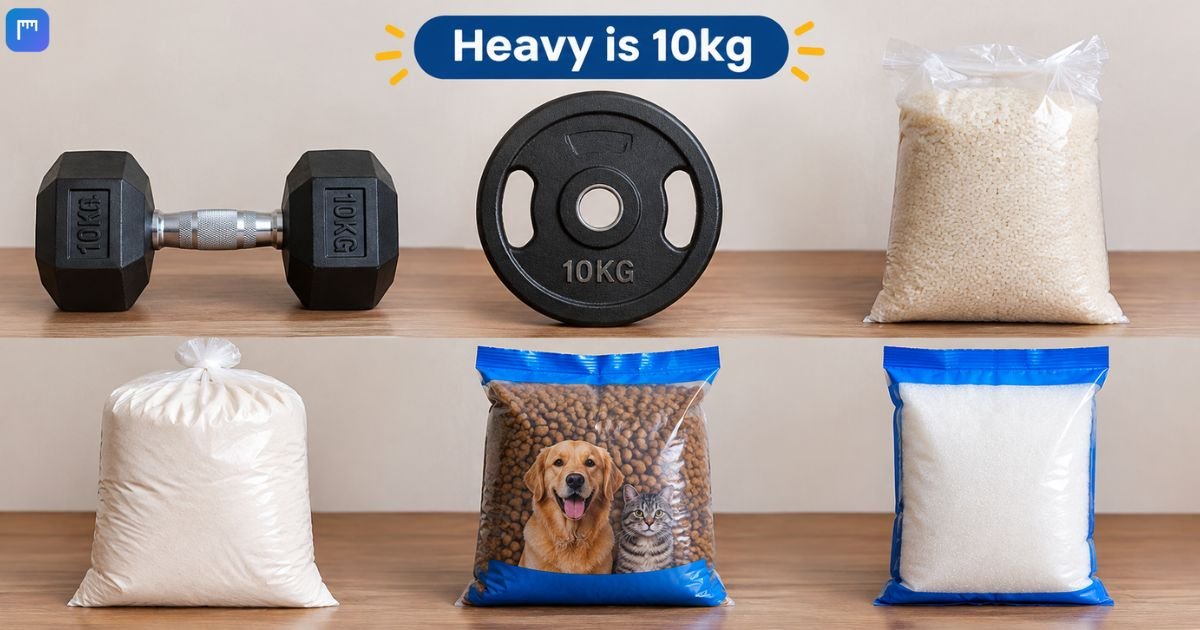
If you have ever picked up a bag and wondered whether it weighs 10 kg, the number alone does not tell you much. How heavy is 10kg in real life? Without a scale, familiar objects can make that weight much easier to picture.
Ten kilograms may sound like just a number, but your mind understands weight better when you can compare it with something you have actually lifted or carried. A bag of rice, a suitcase, or even a one year old baby can give you a much clearer idea of what 10 kg feels like.
You will see 15 real life examples that weigh 10 kg or come close to it, starting with exact examples before moving to common comparisons. You will also learn how 10 kg feels to carry, what it looks like, how much it weighs in pounds, and whether it is considered heavy for exercise.
How Heavy Is 10kg?
10 kg is equal to 22.05 pounds, so it is more than just a small household weight. If you lift a 10 kg object, you are holding roughly the same mass as a full large bag of rice or flour.
The easiest way to understand it is to think about what your hands and arms actually experience. Ten kilograms has enough weight to feel noticeable when you pick it up, especially if the object is held away from your body.
What Does 10 kg Feel Like?
Holding 10 kg feels like carrying a fairly heavy everyday object. You can lift it without extreme effort if you are used to carrying things, but you will clearly notice the weight after holding it for a while.
The shape also changes how it feels. A compact weight with a handle can be easier to control than a 10 kg bag that shifts in your arms. Carrying it close to your body usually feels easier than holding it away from you.
For a quick mental picture, imagine picking up a 10 kg bag of rice from the floor. You can lift it, but you would not mistake it for a light grocery bag.
Is 10 kg a Heavy Weight?
10 kg is moderately heavy for everyday carrying, but whether it feels heavy depends on the person, the object, and how long it is being carried.
For a healthy adult, lifting 10 kg briefly is generally manageable. Holding or carrying it for several minutes is a different experience because your muscles have to keep working instead of lifting it once.
So, 10 kg is not extremely heavy, but it is heavy enough to make a noticeable difference in your arms, shoulders, and back when carried for longer periods.
How Much Is 10 kg in Pounds?
10 kg equals about 22.05 pounds. This is the conversion to use when you see a product or weight listed in pounds instead of kilograms.
| Kilograms | Pounds |
|---|---|
| 1 kg | 2.205 lb |
| 5 kg | 11.02 lb |
| 10 kg | 22.05 lb |
| 15 kg | 33.07 lb |
| 20 kg | 44.09 lb |
If you are more familiar with pounds, simply think of 10 kg as roughly 22 pounds. That makes the weight much easier to recognize when comparing products, luggage, exercise equipment, or household items.
15 Real Life Things That Weigh 10 kg
The easiest way to understand 10 kg is to connect it with things you already know. Some examples below are exactly 10 kg, while others are common objects that can come close depending on their size and contents.
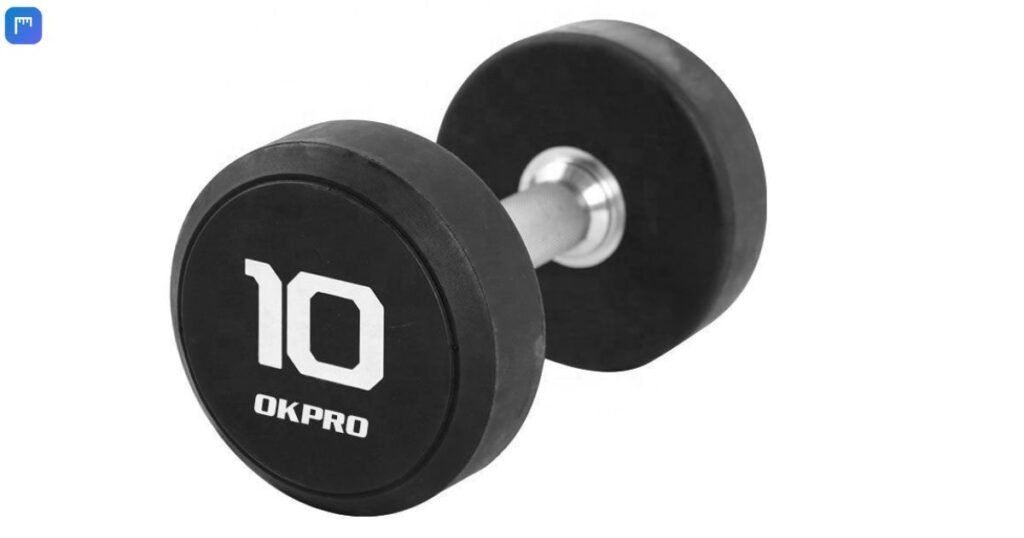
1. A 10 kg Dumbbell
Exact
A 10 kg dumbbell gives you one of the clearest ways to understand this weight because the number is fixed. When you pick it up, all 10 kg is concentrated into one compact object.
Dumbbells are used for exercises such as curls, presses, rows, and lunges. The same 10 kg can feel much harder when you hold it with one arm than when you carry a bag with both hands.
Dumbbells have been used in different forms for centuries, but modern adjustable and fixed weight dumbbells became especially popular as strength training developed.
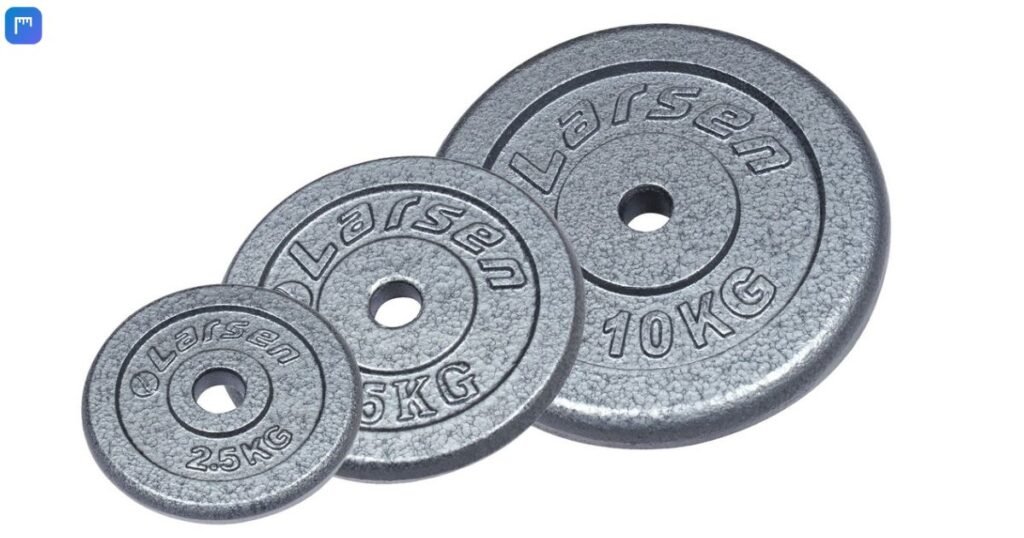
2. A 10 kg Weight Plate
Exact
t, A 10 kg weight plate is another exact example. Unlike a household objeits purpose is specifically to provide a known amount of weight for training.
You can put the plate on a barbell or hold it during exercises such as squats and presses. Its flat shape also makes 10 kg look surprisingly manageable until you actually lift it.
Weight plates became a standard part of gym equipment as barbell training grew during the 19th and 20th centuries.
3. A 10 kg Bag of Rice

Exact
A bag labeled 10 kg contains exactly 10 kg of rice, making it one of the most useful household comparisons. It is also bulky enough to give you a realistic idea of how 10 kg feels outside a gym.
Unlike a dumbbell, rice spreads its weight across a soft bag. That makes it less compact and harder to grip, especially when you lift it from the floor.
Rice has been cultivated for thousands of years and remains a staple food for more than half of the world’s population. Large bags are common in homes, shops, and restaurants.
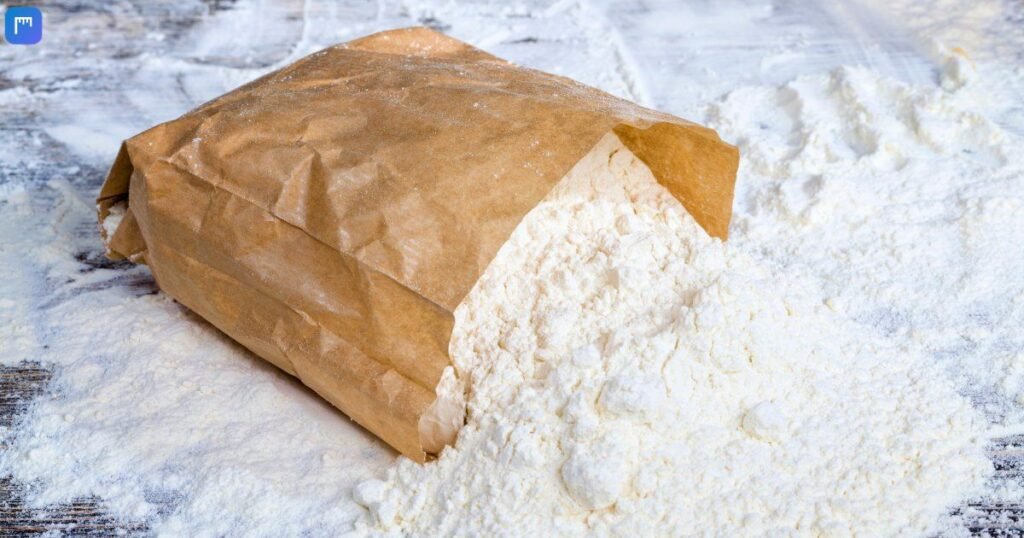
4. A 10kg Bag of Flour
Exact
A 10 kg flour bag gives you almost the same total weight as the rice bag, but it may feel slightly different because the flour settles inside the package.
This type of bag is useful for bakeries, restaurants, and large households where flour is used regularly. The wide shape also helps you understand why the size of an object does not tell you its weight by itself.
Flour has been made from grains for thousands of years. Ancient civilizations used ground grains to make some of the earliest forms of bread.
How Long Is 300 Feet? See 13 Real-Life Examples
5. A 24 Pack of Coke Cans

Close to 10 kg
A standard 24 pack of regular 330 ml cans contains about 7.9 kg of liquid alone, and the cans and packaging add more weight. Depending on the can size and packaging, the full pack can come reasonably close to 10 kg.
This is a useful comparison because a drinks pack is bulky and awkward to carry. You may notice the weight more because the load is spread across a box rather than concentrated in one handle.
Canned soft drinks became widely popular during the 20th century, changing how beverages were packaged, transported, and sold.
6. A 10kg Pack of Sugar

Exact
A 10 kg pack of sugar is a familiar grocery comparison in places where sugar is purchased in larger quantities. The labeled weight gives you a direct 10 kg reference.
Sugar is dense, so a 10 kg pack can look relatively compact compared with a bulky bag of lighter material. When you lift it, the weight becomes much easier to appreciate.
Sugar has a long history as a valuable food ingredient. Before large scale production made it common, sugar was considered a luxury in many parts of the world.
7. A 10kg Bag of Pet Food
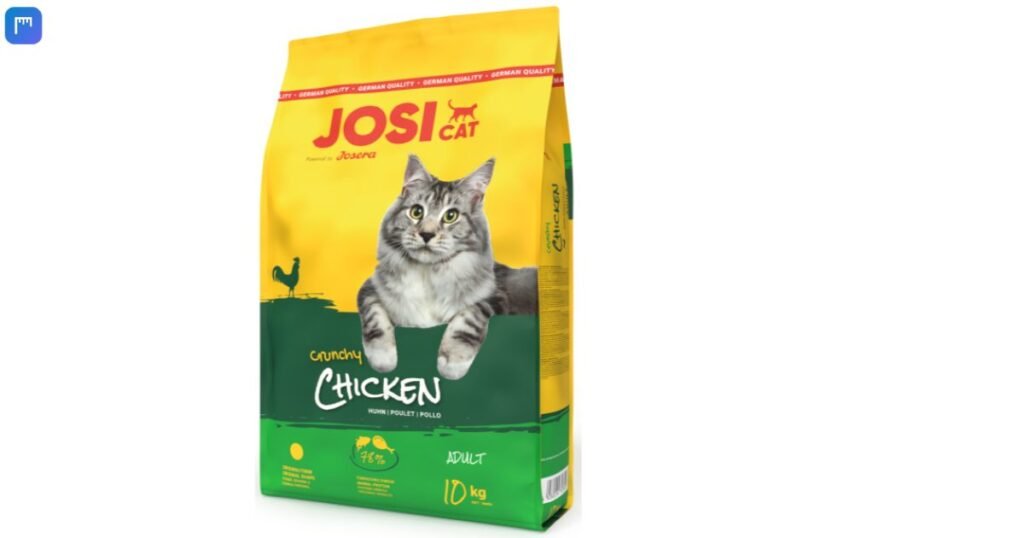
Exact
A 10 kg bag of pet food is another straightforward household example. If the package states 10 kg, the food inside represents the full 10 kg before considering the packaging.
A large pet food bag can look bigger than a dumbbell because the weight is spread over a much larger space. That makes it a good example of why weight and physical size are different things.
Large bags are useful for households with dogs or cats because buying in bulk can reduce how often pet food needs to be replaced.
8. A One Year Old Baby

Around 10 kg
A one year old baby can weigh around 10 kg, although actual weight varies greatly from child to child. This makes it an approximate comparison, not an exact measurement.
The comparison feels different because a baby moves, shifts position, and needs to be supported properly. Ten kilograms held close to your body can therefore feel very different from 10 kg in a rigid object.
Human babies have always been carried by parents and caregivers. Today, the same natural carrying action helps many people understand what a moderate amount of weight feels like.
9. A Big Whole Turkey
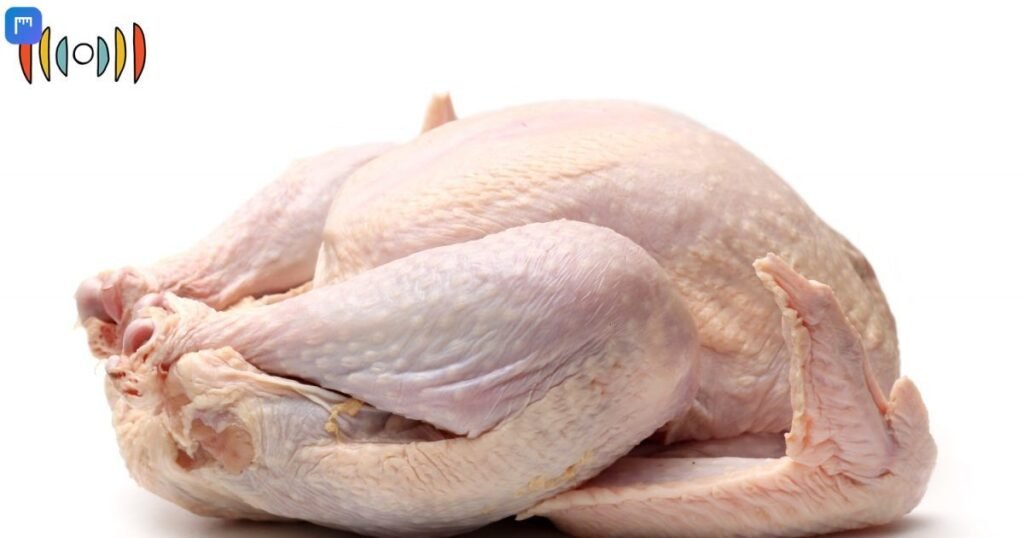
Around 10 kg
A large whole turkey can approach 10 kg, although many turkeys are much lighter. The exact weight depends on the bird, so this should only be used as a visual comparison.
A turkey is large for its weight, which makes it useful for understanding how 10 kg can take up considerable space. A 10 kg dumbbell and a 10 kg turkey would look completely different despite having the same mass.
Turkeys have long been associated with large family meals, especially in North American Thanksgiving traditions, where bigger birds are often prepared for groups.
10. A Loaded Suitcase

Around 10 kg
A loaded suitcase weighing around 10 kg is a very practical comparison because many travelers have handled luggage at this weight. Clothes, shoes, toiletries, and other personal items can quickly add up.
A suitcase can feel heavier than expected when you pull it, lift it into a car, or raise it into an overhead compartment. The wheels make it easier to move but do not reduce its actual weight.
Modern wheeled luggage became much more common in the late 20th century, making heavy travel bags easier to move through airports and stations.
11. A Large Backpack

Around 10 kg
A large backpack filled with books, a laptop, clothes, water, and other items can reach around 10 kg. The actual weight depends on what is packed inside.
The interesting part is how differently 10 kg feels on your back. A properly positioned backpack can distribute the load across your body, while a poorly packed one can make the same weight feel much more tiring.
Backpacks have been used in various forms for centuries, but modern backpacks became especially common for school, travel, hiking, and outdoor activities.
12. A Full Water Container
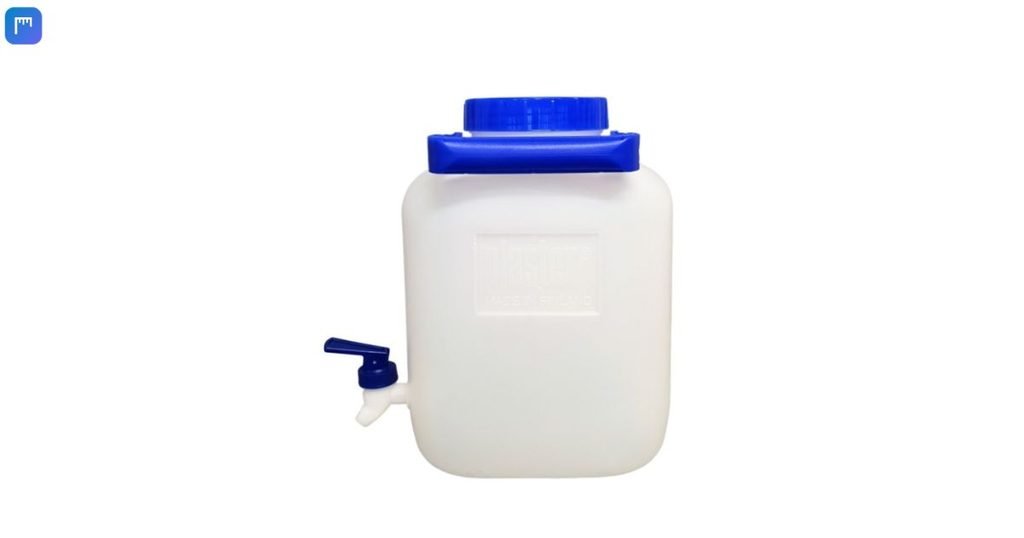
Around 10 kg
Water provides one of the simplest ways to picture this weight because 1 liter of water weighs about 1 kg. A container holding about 10 liters of water therefore has roughly 10 kg of water inside it.
The container itself adds some extra weight, so a full 10 liter container will usually weigh slightly more than 10 kg. It can also be difficult to grip because the water moves as you carry it.
Water containers have been essential throughout human history, from simple clay vessels to the large plastic containers commonly used today.
13. A Stack of Books

Around 10 kg
A stack of books can reach around 10 kg when several heavy hardcover books are placed together. The exact weight depends on the number, size, paper, and binding of the books.
This comparison shows that 10 kg does not need to be one single object. A collection of smaller items can add up to the same weight while taking up much more space.
Books have existed in many forms for thousands of years. The bound books familiar today developed gradually from earlier scrolls and handwritten manuscripts.
14. A Small Household Appliance
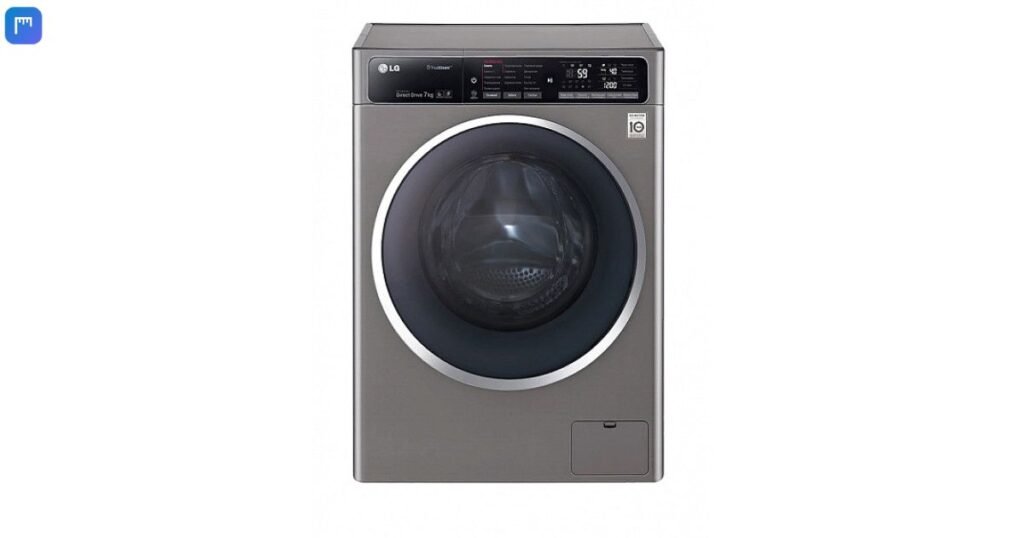
Around 10 kg
Some compact household appliances can weigh around 10 kg, especially products with motors, metal parts, or larger internal components. The exact weight varies widely by model.
An appliance can feel particularly heavy because its weight is often concentrated in certain parts. Lifting it from a low shelf or carrying it with one hand can make the load feel very different from pushing it across a floor.
Household appliances became increasingly common during the 20th century as electric power transformed everyday home tasks.
15. A Small Pet

Around 10 kg
Some small dogs and cats can weigh around 10 kg, but this varies significantly by breed, age, and individual animal. It is therefore another around 10 kg comparison, not an exact one.
A living animal can feel heavier than a stationary object because it may move, resist being held, or shift its body. Holding a 10 kg pet close to your chest also changes how the weight is distributed.
People have lived alongside domesticated animals for thousands of years, and carrying smaller animals remains a familiar experience in many households.
What Does 10 kg Look Like?
Knowing that 10 kg equals about 22 pounds is useful, but numbers still do not tell you what that weight actually looks like. The important thing is that 10 kg does not have one fixed appearance.
Does 10 kg Have a Fixed Size?
No. Weight and size are two different things. A 10 kg dumbbell can be compact, while a 10 kg bag of rice can look much larger because the same weight is spread over more space.
This is why you cannot look at an object and accurately guess that it weighs 10 kg. The material inside it, its density, and how much of that material there is all affect its size.
A useful way to picture 10 kg is to think of the examples above rather than looking for one universal shape. The weight stays the same even when the object looks completely different.
Why 10 kg Can Look Different From One Thing to Another
Imagine 10 kg of metal and 10 kg of flour sitting beside each other. The metal can take up much less space, while the flour needs a larger container to hold the same weight.
This happens because different materials have different densities. Dense materials pack more weight into a smaller space, while less dense materials need more room.
That is why a small weight plate can be 10 kg while a large backpack can also reach 10 kg. Their appearance changes, but the amount of weight does not.
What Does 10 kg of Fat Look Like?
Ten kilograms of body fat would take up considerably more space than 10 kg of a dense material. Because body fat is less dense than water, 10 kg of fat would occupy roughly 11 liters of volume.
A useful mental picture is several large bottles filled with a similar amount of material. It would not look like a compact 10 kg dumbbell because fat takes up more physical space.
The important point is that 10 kg of fat is a large amount of body mass, but its appearance on a person varies because body shape and fat distribution are different from one person to another.
How Heavy Does 10 kg Feel to Carry?
The number becomes much easier to understand when you actually imagine carrying it. Ten kilograms is manageable for many people for a short lift, but it becomes more noticeable when you keep holding it.
Is 10 kg Heavy for an Average Person?
For many healthy adults, 10 kg is a manageable lifting weight, especially for a short period. It is not an extreme load, but it is heavy enough that you will clearly feel it.
Picking up a 10 kg bag once is very different from carrying it around for several minutes. The longer you hold it, the more your muscles have to keep working.
Your own strength, experience, body size, and the way you hold the object all affect how heavy it feels. There is no single feeling that applies to everyone.
Does 10 kg Feel Heavier in One Hand?
Yes. Holding 10 kg in one hand can feel considerably more demanding because the entire load is supported on one side of your body.
The distance also matters. A 10 kg object held close to your body is generally easier to control than the same object held with your arm stretched out.
This is why a 10 kg dumbbell may feel challenging during an exercise even though you can lift a 10 kg bag from the floor without much trouble.
How Long Can You Comfortably Carry 10 kg?
There is no universal time limit for carrying 10 kg comfortably. Someone who regularly trains or does physical work may handle it much longer than someone who rarely carries heavy objects.
Your grip, posture, fitness level, and the shape of the object all make a difference. A comfortable backpack can be easier to carry than a heavy box with no good handhold.
Instead of thinking only about the weight, think about the whole task. Ten kilograms held for a few seconds and ten kilograms carried for a long walk are very different experiences.
Is 10 kg Heavy for Exercise?
A 10 kg weight can be light, moderate, or challenging in exercise depending on the movement and the person using it. The same dumbbell that feels easy for one exercise may feel much harder for another.
How Heavy Is a 10 kg Dumbbell?
A 10 kg dumbbell weighs 22.05 pounds and gives you a fixed resistance for strength exercises. Its compact shape makes the weight easy to control compared with a large 10 kg object.
For movements that use smaller muscles, such as some arm exercises, 10 kg can feel challenging. For larger movements, a stronger person may find it relatively manageable.
The important part is not just the number on the dumbbell. How you use the weight determines how difficult the exercise feels.
Can You Build Muscle With 10 kg?
Yes, 10 kg can be enough to build muscle, especially when it provides a challenging resistance for the exercise you are doing.
Muscle growth depends on giving your muscles enough resistance and gradually making training more demanding. You do not always need very heavy weights to make an exercise challenging.
For someone starting out, a 10 kg dumbbell may provide plenty of resistance for some movements. As strength improves, heavier weights or more difficult exercises may become useful.
Is 10 kg Enough for a Beginner?
For many beginners, 10 kg can be a useful starting weight, but it is not suitable for every exercise or every person.
A beginner may find 10 kg comfortable for one movement and too heavy for another. Starting with a weight that allows controlled movement is more useful than choosing a number simply because it sounds impressive.
The goal is to make the exercise challenging while keeping good control. As your strength improves, you can adjust the resistance to match your progress.
14 Real Things That Are About 100 feet long
Common Questions About 10 kg
What Is the Equivalent of 10 kg?
10 kg is equivalent to 22.05 pounds, or about 22 pounds. Familiar examples include a 10 kg rice bag, flour bag, or weight plate.
What Is 10 kg Equal to in Pounds?
10 kg equals 22.05 pounds. For a quick everyday comparison, you can simply think of it as about 22 pounds.
What Is 1 kg Equal to in Pounds?
1 kg equals about 2.205 pounds. So multiplying kilograms by 2.205 gives you the approximate weight in pounds.
What Weighs 10 kg in the House?
A 10 kg bag of rice, flour, sugar, or pet food can provide an exact household example when the package is labeled 10 kg.
Can Most People Lift 10 kg?
Many healthy adults can lift 10 kg for a short period, but comfort and ability vary with strength, experience, age, and the way the weight is handled.
Final Thoughts on How Heavy 10 kg Is
Once you connect the number with familiar objects, how heavy is 10kg becomes much easier to understand. A 10 kg dumbbell gives you an exact reference, while bags, luggage, water, books, and other everyday items show how that same weight can look and feel different.
The biggest takeaway is simple: 10 kg is about 22 pounds, but the physical experience depends on what you are carrying and how you carry it. If this comparison helped you picture the weight more clearly, share it or save it for the next time you need a quick reference.